Currently viewing the category:
"Lower Secondary"
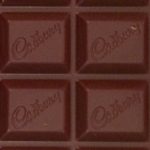
Your Granny bought a bar of chocolate marked into 32 pieces and weighing 180 grams.
How many pieces make half the chocolate bar?
How many pieces make one quarter?
What fraction of the bar is one piece of chocolate?
She gave you and your sister 2 pieces each to eat. What fraction […]

These images are not shown to the same scale. An elephant is much bigger and heavier than a cat or a car. Can you arrange these things in order from lightest to heaviest? Can you estimate the mass of each of these things?
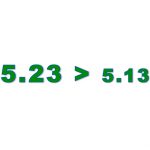
Use the symbols > < 1 1 2 3 in the boxes to make correct number sentences.
For example 5.12 < 5.13 is correct and 5.21 >5.23 is wrong.
How many different sentences can you make?
How will you know when you have found them all?
Click here […]
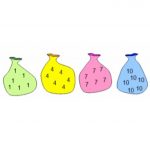
Imagine you have four bags containing a large number of 1s, 4s, 7s and 10s.
You can choose numbers from the bags and add them to make different totals. You don’t have to use numbers from every bag, and there will always be as many of each number as you need.
Choose some […]
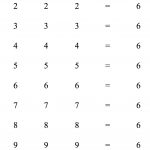
Insert signs and symbols to make each line a true equation.
Hint: You can use square roots and cube roots.
As an extension you could investigate the factorial sign on your calculator and use factorials to answer the same questions for 0 0 0 = 6 and 1 1 1 = […]

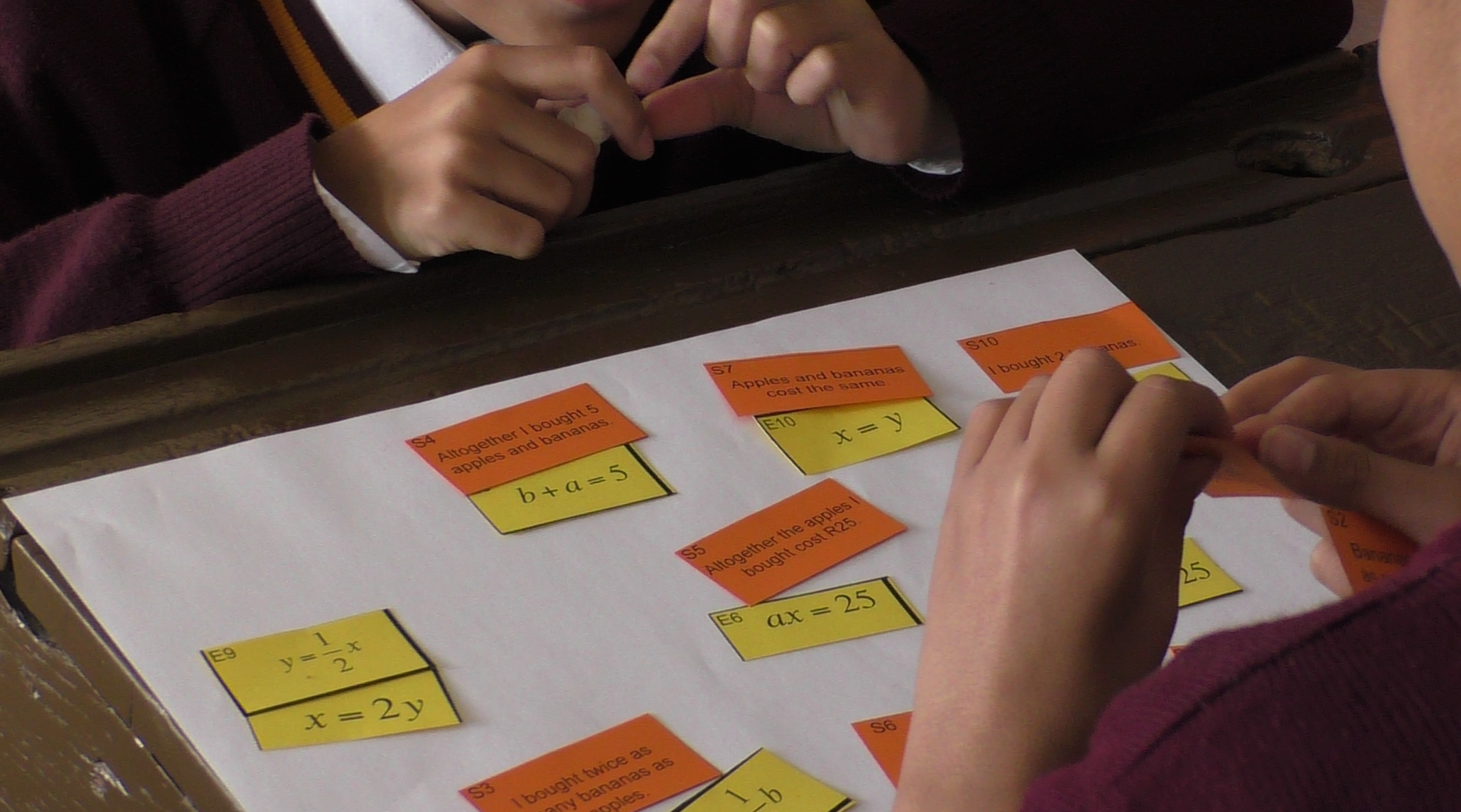
This lesson is about moving between algebraic equations and the statements that they represent. This activity should be given to the class as a formative assessment activity: it is designed to provide the teacher with information about the learners’ current levels of understanding.
During a short introduction the teacher emphasises the importance of defining […]

This lesson is about different representations of number: percentages, decimals and fractions. It particularly emphasises that percentage and decimal increases and decreases are not mirrored whereas fraction increases and decreases are.
After a short introduction, during which the teacher asks students questions about amounts increasing or decreasing by 50
Note: […]
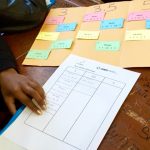
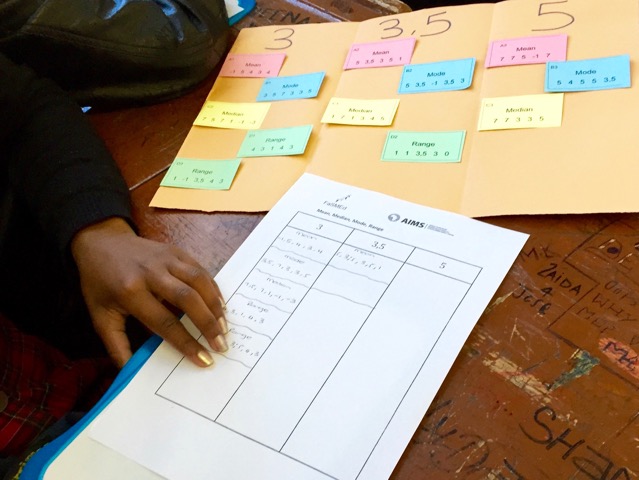
Is the answer 3, 3,5 or 5? Make three columns on a large sheet of paper, and label them 3; 3,5; and 5. Look at the words and numbers on the small cards and work out what the answer is. Place each card in the appropriate column.
The teacher leads a discussion about the […]
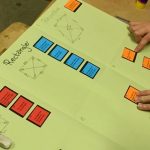
This lesson is first about using properties of quadrilaterals to identify particular shapes and second about identifying the smallest number of properties needed to define a shape. This activity should be given to the class as a formative assessment activity: it is designed to provide the teacher with information about the learners’ current levels […]
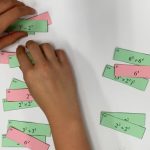
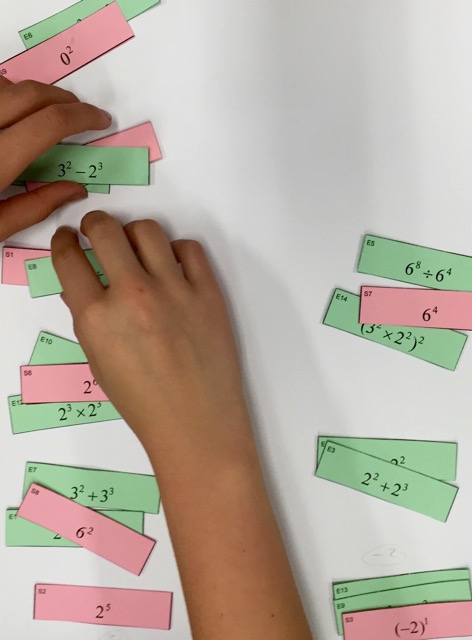
Working either in small groups or as a whole-class activity, you will be given two sets of small cards. On one set expressions, such as 68 ÷ 64, are given. In the other set single values, such as 64, are given. Work out the value of the cards using the laws of exponents or by […]
FOLLOW US ON SOCIAL MEDIA